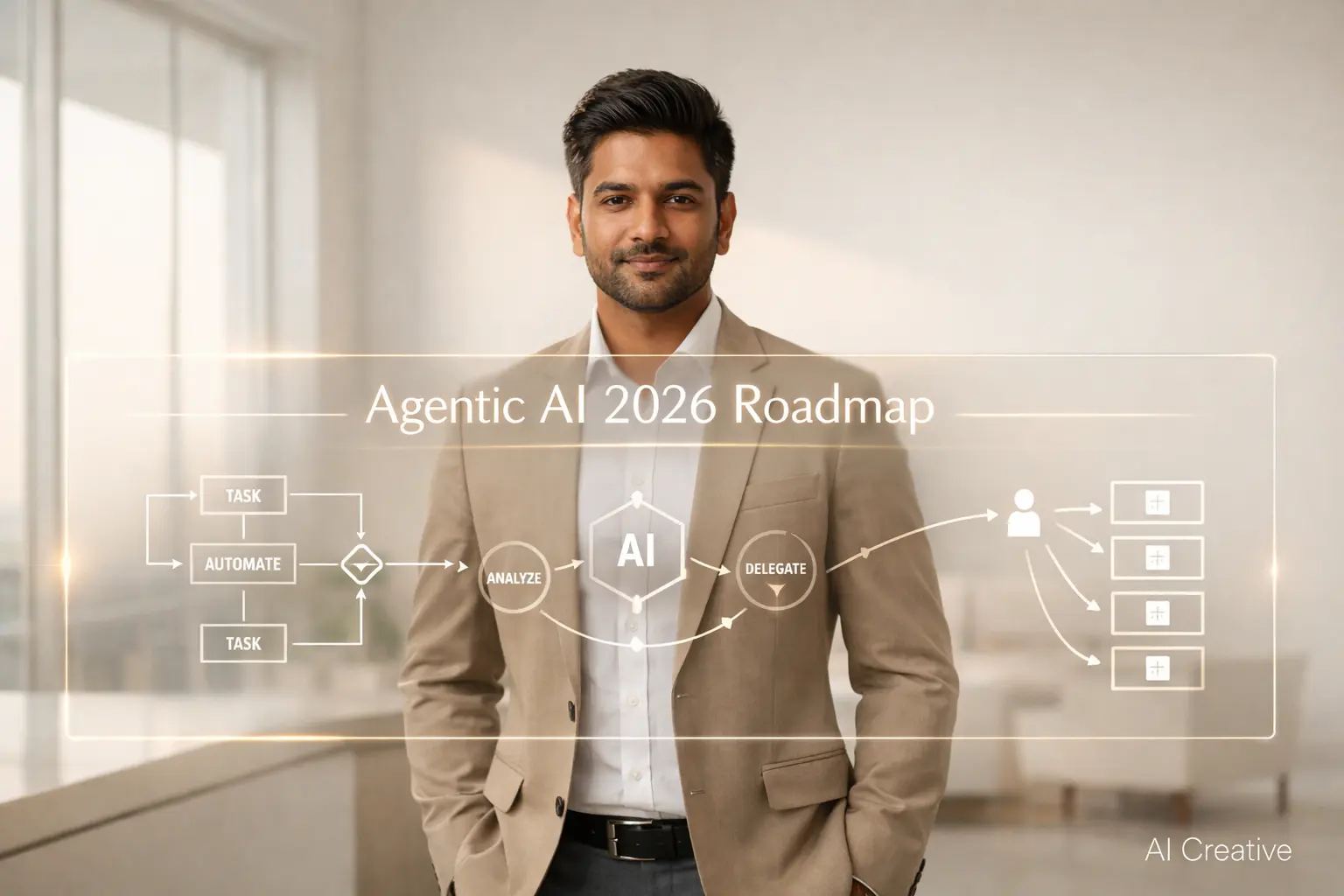
What are the best low-investment businesses to start in India in 2026?
The top 10 low-investment businesses for 2026 are: 1. Multi-brand Cloud Kitchens, 2. EV Micro-Hubs, 3. Hyper-niche D2C Wellness, 4. Hyperlocal Digital Agencies, 5. Hometown Co-working Hubs, 6. AI-Powered Educational Coaching, 7. Bio-Harmonized Fitness Centers, 8. Compostable Supply-Chain Manufacturing, 9. Hyperlocal Authority Channels (Content) and 10. Boutique “Micro-Experience” Event Coordination. These businesses succeed by solving hyperlocal problems in Tier-2 and Tier-3 cities, focusing on unit economics and a 14-18 month ROI.
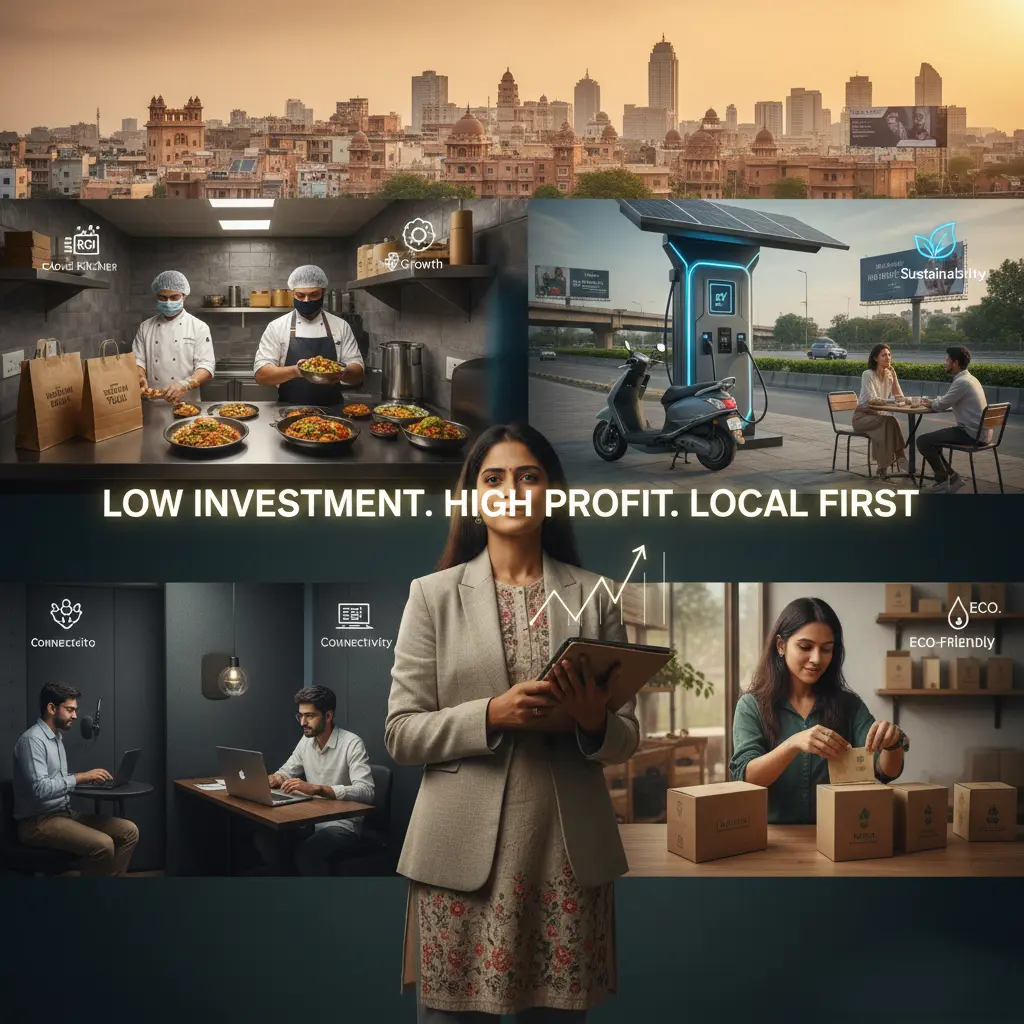
Warning: These 10 Low-Investment Businesses Will Dominate 2026 Markets
Your neighbour just quit their corporate job to run a cloud kitchen. They’re earning triple. From home. Sound crazy? Welcome to India’s 2026 Startup Revolution.
While the “Silicon Valley” clones are struggling for funding, the real money is moving toward founders who solve hyperlocal problems. Whether it’s EV charging in Tier-2 cities or D2C Ayurveda from rural hubs, the next wave of wealth belongs to those who prioritize profit over publicity.
The 2026 Reality Check: What Changed?
The “Growth at All Costs” era has been replaced by Value with Governance.
- The Rise of the ‘Rest of India’: Nearly 4 out of every 10 new ventures are now emerging from non-metro cities like Jaipur, Indore, and Karauli.
- Unit Economics Rule: If the business doesn’t show a clear path to profit within 12 months, investors aren’t interested—and neither should you be.
- The Trust Economy: Consumers are moving away from faceless brands toward local, transparent founders.
Top 10 Business Ideas with Verified 2026 Metrics
1. The Multi-Brand Cloud Kitchen
The food delivery market has shifted. You no longer need a prime “High Street” location to make five figures.
- The Strategy: Rent a small, low-cost space in a residential area. Run 2–3 distinct brands (e.g., a Healthy Bowl brand and a North Indian Thali brand) from the same kitchen.
- Profit Edge: By bypassing “front-of-house” staff and expensive decor, you keep 35–45% of every order.
- Rajasthan Insight: In growing towns, there is a massive gap for “Safe & Hygienic” home-style meals that local restaurants often miss.
2. EV “Micro-Hub” Charging Stations
India’s highway and city infrastructure is hungry for power.
- The Model: Don’t just provide a plug; provide a “Stay & Charge” experience. Partner with local cafes or residential societies.
- Investment: ₹10–22 Lakh for a franchise or ₹5 Lakh for a localized private setup.
- ROI: High-traffic routes in Rajasthan are seeing a 14–18 month payback period as EV adoption hits record highs.
3. Hyper-Niche D2C Wellness Brands
The world is tired of chemical-heavy products. They want the “Dadi Maa” secrets backed by modern lab testing.
- The Opportunity: Focus on one specific problem (e.g., “Post-Holi Skin Care” or “Anti-Stress Herbal Teas”).
- The Margin: Selling directly through your own website (Shopify/WooCommerce) saves you the 50% cut usually taken by distributors.
4. Hyperlocal Digital Growth Agency
Small businesses in Tier-3 India are desperate to get on the map. They don’t need a “Global Agency”; they need someone who understands their local market.
- Services: Focus on “Google My Business” optimization, AI-driven customer replies, and short-form video (Reels) strategy.
- Income: A lean 3-person team can easily manage 10 local clients at ₹25k/month each.
5. Co-Working “Micro-Hubs” for the Hometown Professional
A career today is built by skills, not by a city address. In 2026, we are seeing the rise of The Hometown HQ. High-skilled professionals are returning to cities like Karauli and Jaipur with global salaries, but they can’t work effectively from a dining table.
- The Critical Gap: Residential power grids and home Wi-Fi often fail under the load of 8-hour Zoom marathons. These “Reverse Migrants” need enterprise-grade stability.
- The Revenue Model: Move beyond just desks. Offer “Virtual Office” packages for GST registration and “Pod-Cast Studios” for local creators to diversify your income.
- Rajasthan Insight: With lower commercial rents in our region, a co-working space can hit break-even with just 40% occupancy, compared to the 80% required in expensive metros like Bangalore.
6. AI-Powered Educational Coaching
Traditional coaching is too slow. 2026 is about personalized learning paths.
- The Twist: Use AI tools to identify exactly where a student is struggling and provide custom practice sets.
- Scaling: Start offline in your local city, but record every session to sell as a digital course bundle.
7. Bio-Harmonized Fitness Centers
The days of the single-dimensional “weight room” are over. In 2026, the market is shifting toward “Integrated Longevity Centers.” People are no longer just training to look good; they are training to function better and live longer.
- The Blueprint: Instead of just a gym, create a Dual-Atmosphere Facility. This involves a dedicated high-intensity zone for strength, physically separated from a Sound-Shielded Recovery Suite for breathwork, Yoga, and mental decompression.
- The High-Ticket Margin: By offering “Active Recovery” sessions alongside standard training, you move from being a commodity gym to a Premium Health Consultant, allowing for a 40% increase in membership fees.
- Local Strategy: In cities like Karauli, this model appeals to the growing demographic of 35-50-year-old professionals who have the budget but find traditional gyms too chaotic.
8. Compostable Supply-Chain Manufacturing
The “Plastic Ban” is no longer just a government regulation; it’s a massive Commercial Vacuum. Businesses are desperate for reliable, local alternatives that don’t break their budget.
- The Focus: Don’t just make “bags.” Focus on Customized Industrial Packaging for local D2C brands.
- The Advantage: By utilizing agricultural waste—plentiful in rural Rajasthan—to create biodegradable liners and fillers, you lower your raw material costs while staying 100% eco-compliant.
- Funding Tip: Use the MUDRA Tarun loan to fund high-capacity molding machines that can produce 10,000+ units daily.
9. Hyperlocal Authority Channels (Content)
Generic “Influencing” is dead. The 2026 gold mine is in becoming a “Community Knowledge Lead.”
- The Niche: Build a channel that focuses exclusively on regional language tutorials—whether it’s teaching AI tools in Marwari or explaining financial literacy to local farmers.
- The Monetization Shift: Move beyond small AdSense checks. Focus on Local Brand Integration and selling your own “Digital Skill Boxes.”
- Realistic Goal: You don’t need a million followers; you need 5,000 highly engaged local leads who trust your advice on where to invest their money and time.
10. Boutique “Micro-Experience” Event Coordination
The era of the “3,000-guest generic wedding” is giving way to high-end, Curated Micro-Events.
- The Role: You aren’t just a “planner”; you are a “Story Architect.” You manage the transition from plastic-heavy decor to sustainable, high-aesthetic celebrations that look incredible on digital feeds.
- Revenue Streams: Partner with local “Hidden Gems”—heritage havelis or farmhouses—and package them as exclusive destination spots for the new generation of couples.
Founder’s Caution: In 2026, the ‘burn-now-earn-later’ model is a trap. The fatal error for most entrepreneurs today isn’t a thin bank account; it’s trying to go national before their local unit economics actually work. Nail the prototype in your home city first, then even think about the next zip code.
Your Startup Action Plan
- Validate Fast: Don’t build a product; build a “Waitlist.” If 50 people don’t sign up, don’t start.
- Lean Tech: Use AI for your logo, your website copy, and your customer service to keep overhead near zero.
- Paperwork: Register as a Proprietorship or LLP immediately to avail of GST benefits and government loans.
- The 90-Day Rule: Focus only on sales for the first 90 days. Everything else is a distraction.
Disclaimer: This content is for informational purposes only and does not constitute financial, legal, or investment advice. Business success depends on individual execution and market conditions. Trendytalks.in is not liable for any financial decisions or outcomes resulting from this information. Always consult a professional before investing.